5 Steps for Potato Growing Success

I love growing potatoes. Maybe it’s the element of surprise, digging them up at the end of the season. Maybe it’s because they’re easy and fun even for kiddos. Or maybe it’s just that they’re far less demanding than some of true divas of the garden (looking at you tomatoes). No matter the reason, with these five tips, you’re bound to have a productive and enjoyable growing experience!
1.) Start with Seed Potatoes
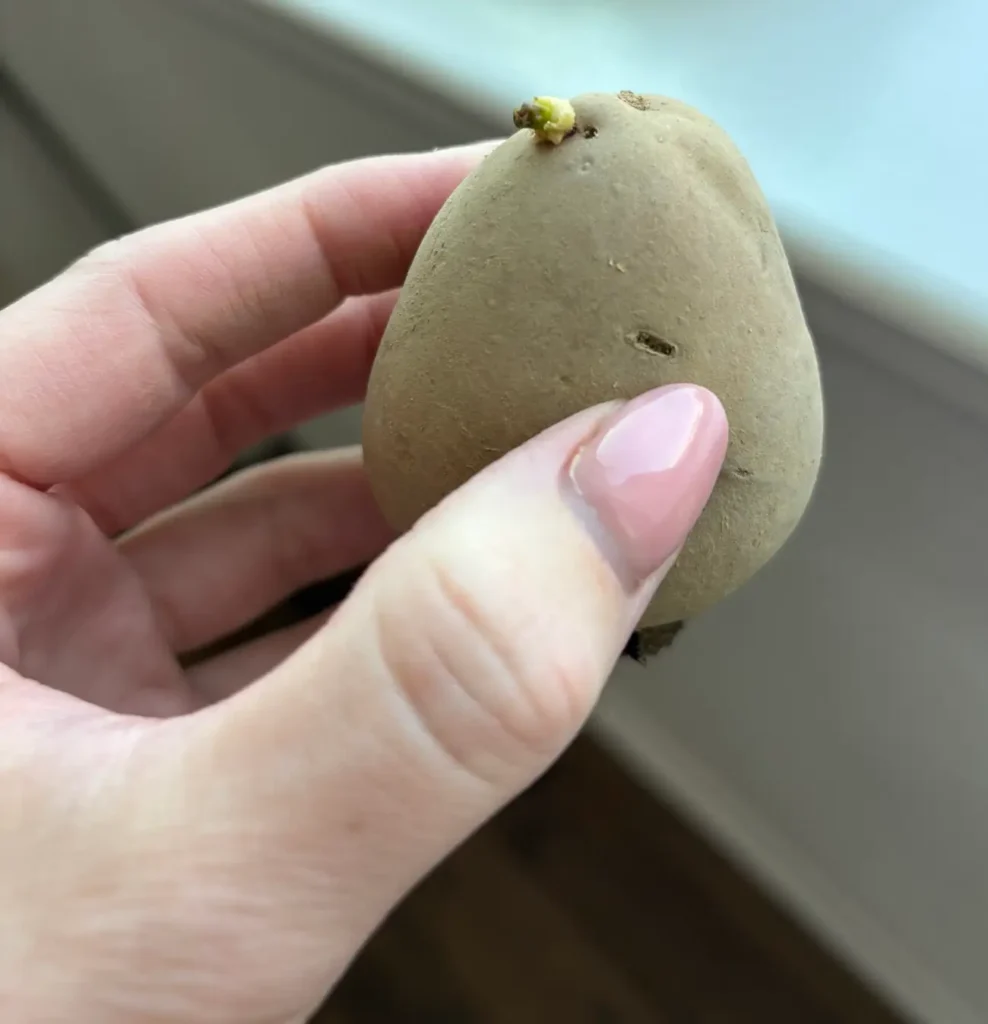
Yes, you could just throw potatoes in the ground from the supermarket. But if you do, you run the risk of contaminating your soil with bacterial, viral, and fungal invaders that can be difficult or impossible to eradicate. And because potatoes are a member of the nightshade family, that means all nightshades—including your tomatoes, peppers, and eggplants—will be affected. Certified seed potatoes have been screened to prevent this risk.
Further, store bought potatoes simply won’t give you the best shot at a good harvest. Their long storage makes the tubers physiologically older—which may be reflected in lower yields and the plants vigor—plus they’re frequently treated with sprout inhibitors. And though I know you’re thinking “but it sprouted in my dark pantry…” here’s why that’s not the best idea.
If you’re shopping for seed potatoes, I love Wood Prairie Family Farm! They have an excellent selection of favorites like Yukon Gold, plus more exotic varieties you won’t find in your local store.
2.) Chit Your Seed Potatoes
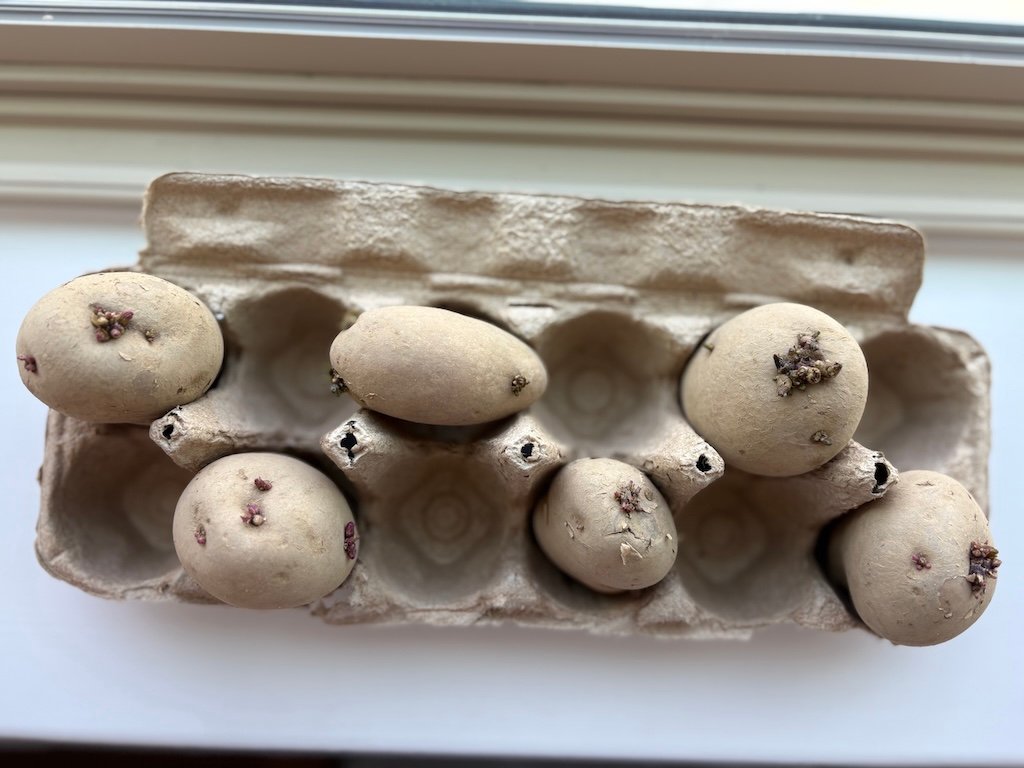
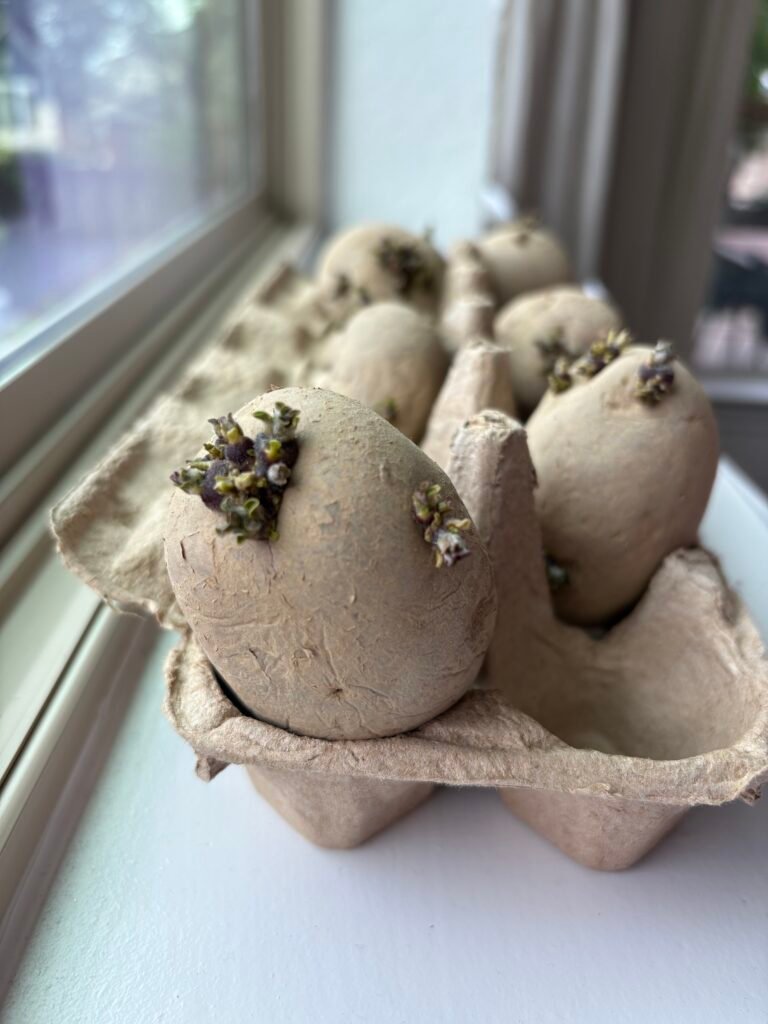
Potatoes take a looooong time to emerge from the soil. It’s a real patience tester. And in many regions, we simply don’t have that much time to wait. Chitting (or greensprouting) your potatoes shaves crucial time off the process by allowing you to get a jumpstart on your potato growing indoors.
But most importantly, chitting also sets up your potatoes for success. This simple process ensures stocky, green shoots that will perform well once buried in the ground. If you’re not familiar with chitting, learn more here!
3.) Prep Your Soil Well
Potatoes are heavy feeders, so nutrient-rich soil is a must. At least once a year, I amend my soil with compost, worm castings, and a dose of fresh fertilizer.
Compost: I top off each bed with 1-2 inches of compost.
Worm Castings: Then I add a ½ – 1 inch layer of worm castings on top.
Fertilizer: Finally, I add fertilizer according to package directions and mix everything together into the first few inches of soil. At planting time, you can also add a little extra something to the soil when you dig your hole. I like to dust in 2-4 Tbs of fertilizer for an extra boost.
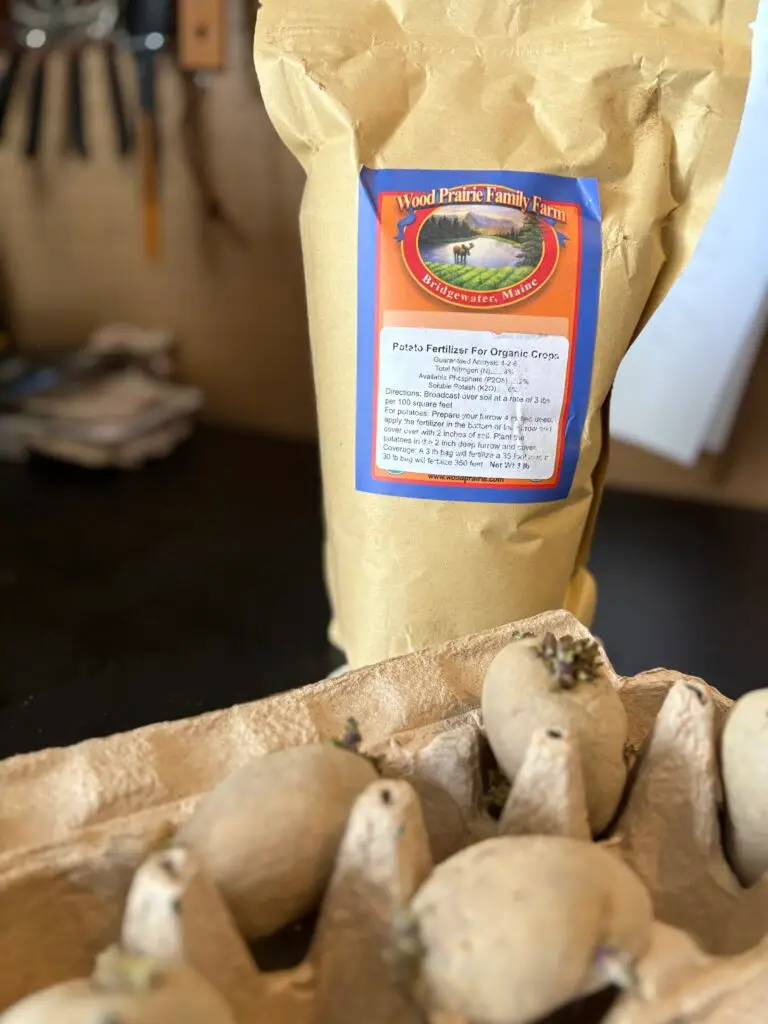
For an excellent fertilizer you can use throughout your garden, I’m a big fan of Down to Earth’s All Purpose Tomato & Vegetable Mix (4-6-2). Or, for something more targeted, check out Wood Prairie Organic’s Potato Fertilizer (4-2-6). It offers more potassium, which is essential for bulking those ‘taters, bruh.
And if you’re ever in doubt about the quality of your soil, it’s always a good idea to conduct a soil test.
4.) Make Sure the Conditions are Juuuuust Right
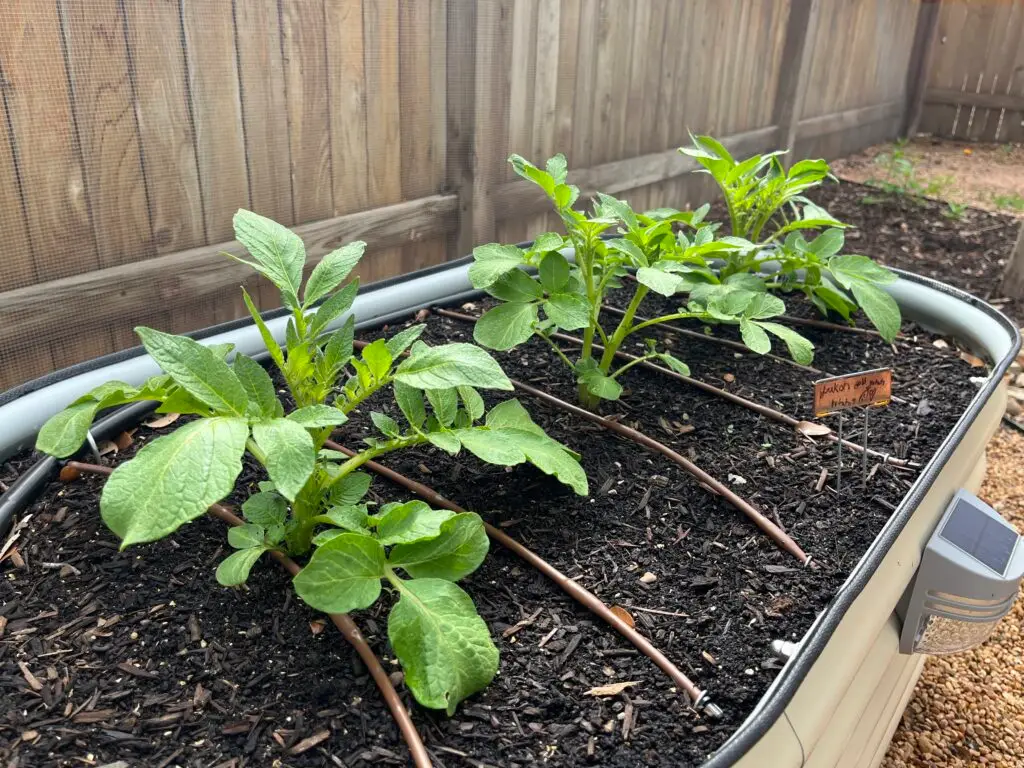
Potatoes are a cool season crop. And while they don’t like things too warm, they definitely don’t appreciate super cold weather either.
As a rule of thumb, wait until your soil temperature is at least 45 degrees F before planting your seed potatoes. If you can wait until 50-55 degrees F, even better. The sweet spot for potatoes is somewhere between 60-70 degrees F. Download a free planting calendar from Almanac.com tailored to your zip code to make it easy to find your ideal window. And don’t forget, potatoes like a minimum of 6-8 hours of sun and a minimum of an inch of water per week!
5.) Plant with the Right Spacing
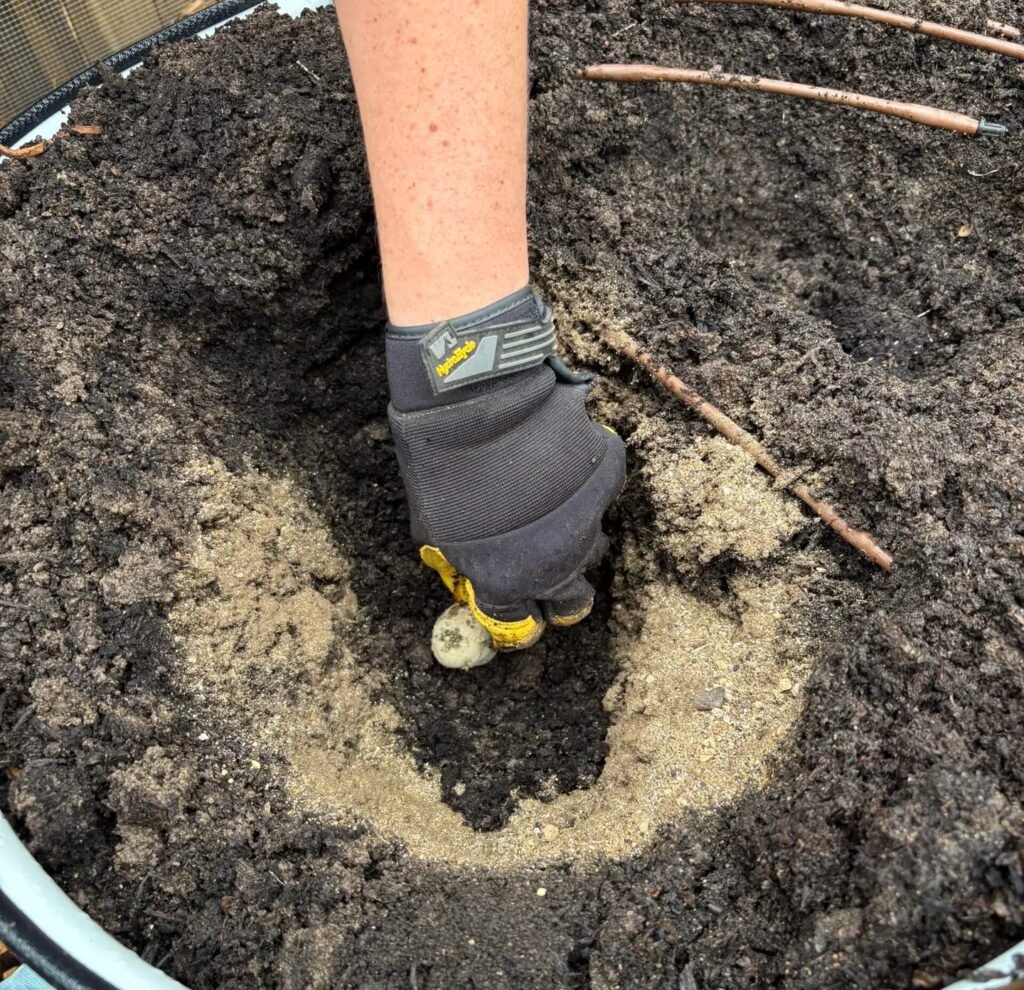
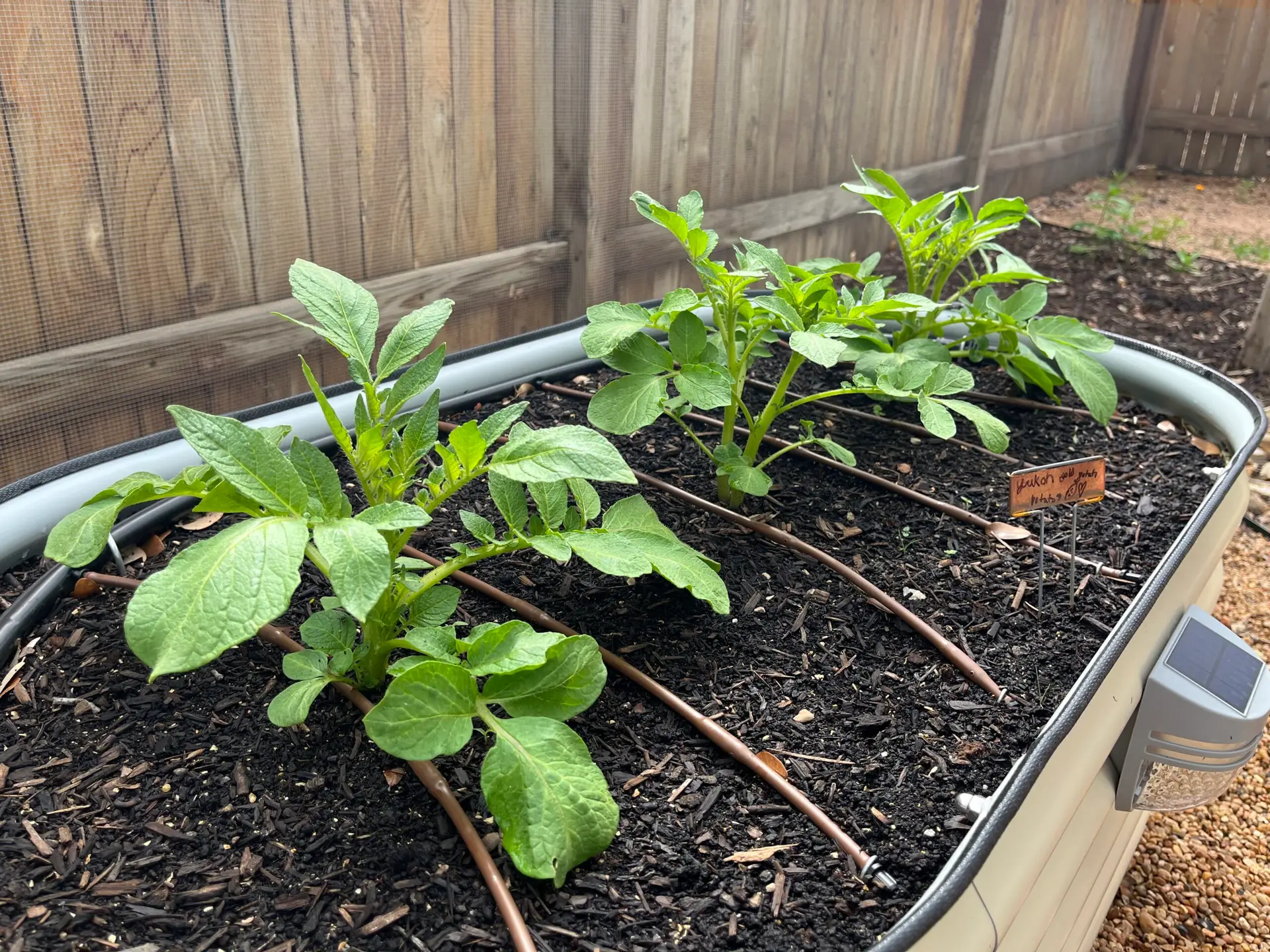
It’s tempting to snuggle those little seed potatoes close together when you plant, but don’t do it! You’ll be surprised at the beast of a plant each turns into. Plus, the crowding could reduce your yield and result in smaller potatoes. The general rule is to space your seed potatoes 12” apart. But treat this as a minimum, because certain higher yielding varieties may require more space to live their best lives.
As for planting depth, that’s dependent on where you live. Aim for somewhere between 1-4 inches deep. If you’re in a cooler climate, you’ll be on the shallower end of the range. If you’re in the hot south like me (omg, so hot 🥵) plant deeper to protect against the heat.
And remember, place your seed potatoes into the ground with their eyes pointing up, so the sprouts have the clearest path out of the soil!